About
I make pots.
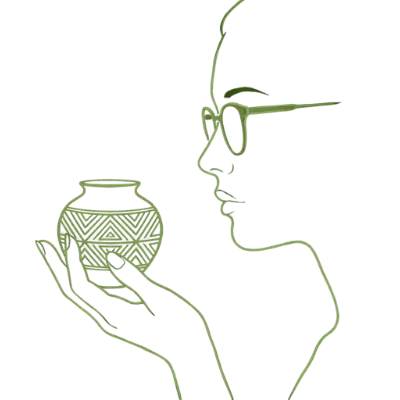
I'm Michelle. I've been throwing for about nine years, badly for the first three, and I still learn something from most kiln loads.
Everything starts as a lump of stoneware and ends as one object that exists once. Between those two things there are about five weeks and a lot of waiting.

How it happens
Clay, wheel, kiln, twice.
Five stages, none of which can be hurried without the clay letting you know about it.

Clay
Wedged by hand to drive the air out. Air becomes a crack in the kiln.
Throw
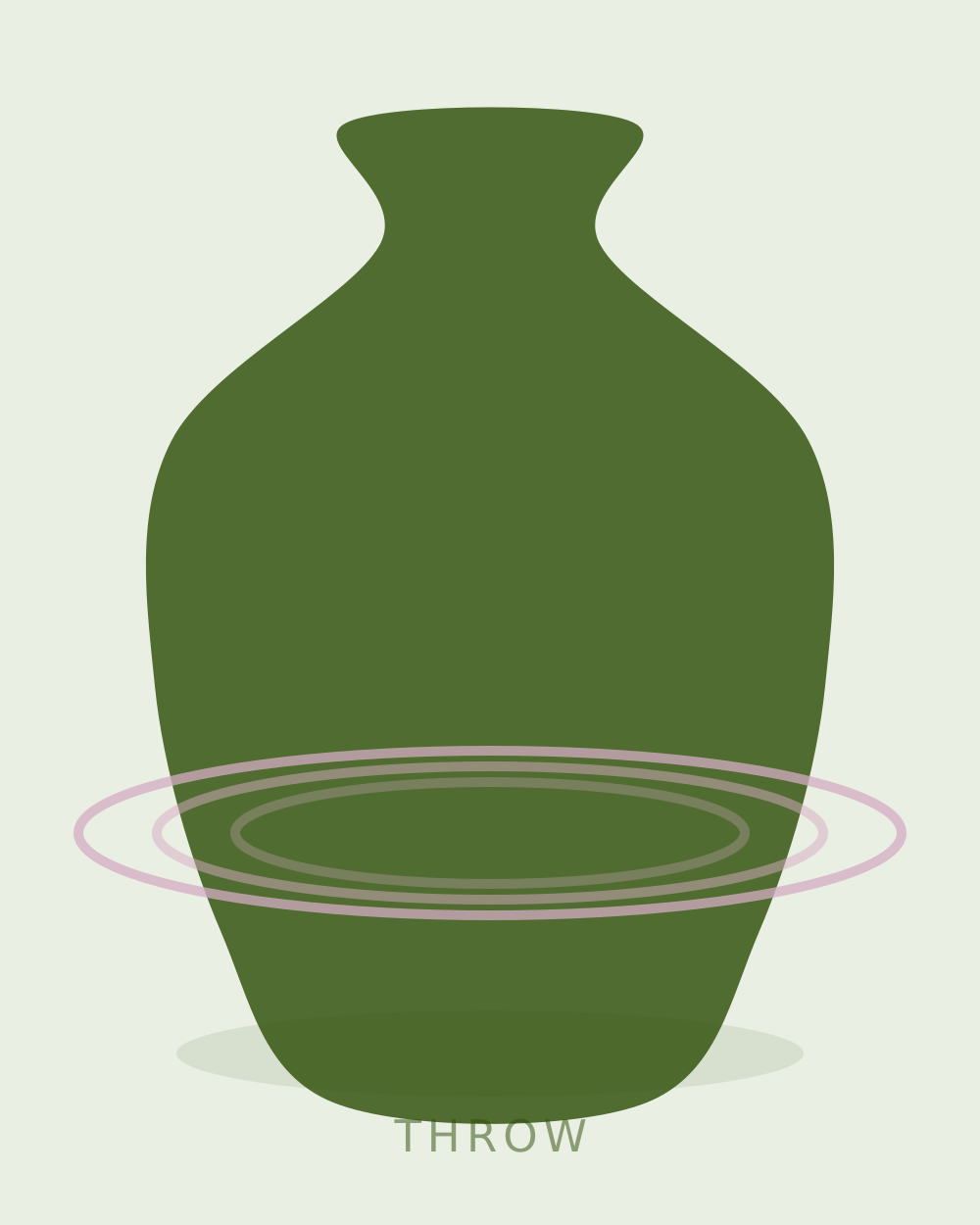
Centered, opened, and pulled up. This part is quick and it is the part everyone watches.

Trim
Leather-hard, upside down, cutting the foot. My least favorite hour.
Glaze
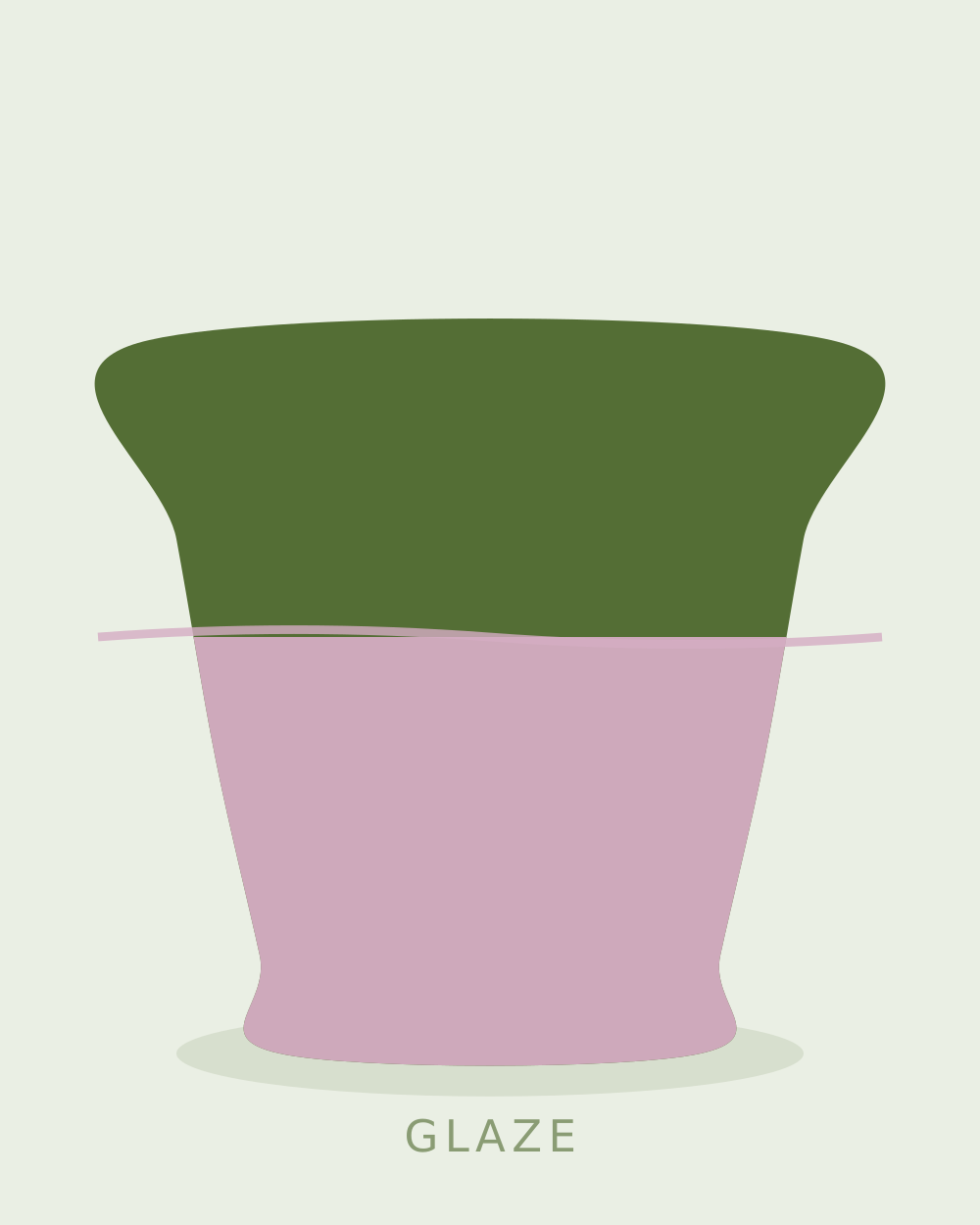
Dipped, poured, or both. The color in the bucket is never the color that comes out.

Fire
Bisque, then glaze to cone 6. Two days of waiting and no way to hurry it.
Why one of each
I don't make multiples of anything, or at least not deliberately. Two pots thrown the same afternoon from the same clay come out of the kiln different, because of where they sat and what was next to them.
I could fight that. It seems more interesting not to.